


 A close friend recently told me this story about how her teenage son had just bought a fine pair of fake Versace sneakers from a friend of a friend, and he was pleased because they were really cool. That all seemed pretty normal until she explained that it wasn’t about the price tag. She told me that her son and his friends only buy fake. Originals are not an option; they’re not cool. They’re out. Fakes are in. I was fascinated by this, and when I got home, I started to look it up and learned about the ‘rep’ culture. Where ‘rep’ is short for a replica. High-quality “rep” sneakers are trending in teen culture, with younger generations openly chasing “god-tier” replicas that look as good as the originals. For them, rocking a “great fake” isn’t embarrassing—it’s a status symbol. This phenomenon, known as “rep culture,” has grown so popular that online communities now compete to find the highest-quality replicas, sharing tips, comparisons, and even review guides on where to get the best fakes.
So, let’s face it: fake is fashionable. There is a list of fakes that springs to mind immediately without even looking at any data: fake eyebrows, fake nails, fake boobs, fake meat, fake accounts, fake celebrities, deepfakes and fake news. There’s no end to it. We know that fake news travels faster than true stories—meaning people choose and even trust fakes more than the “real” information. Could it be that we actually prefer the fake version?
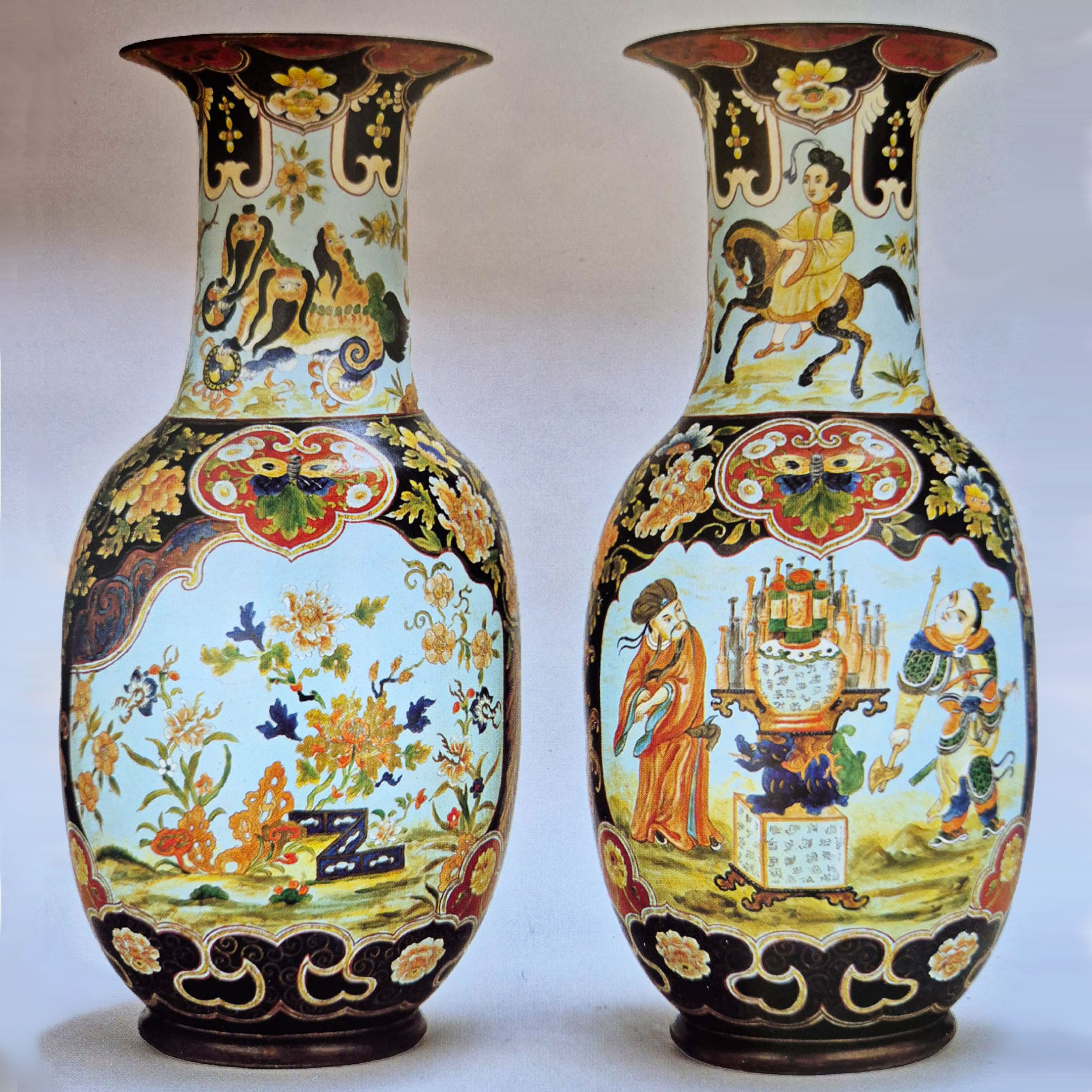
Like most things though, if you dig deeper, you soon discover that there is almost nothing new, and fake isn’t just a 21st-century trend. I will use a fascinating local example I found to illustrate my point because it is a story from Turin, where I am based, but in the 18th Century. Back then, Italian artists were deeply inspired by Chinese designs—so much so that chinoiserie, a European decorative style that mimicked Chinese art, was born. Pietro Massa, a leading chinoiserie decorator in Turin, created intricate “Chinese” designs for Italian aristocrats who craved an “authentic” Eastern aesthetic. The irony? We often think of China as the “land of fakes,” yet artists imitated Chinese styles with enthusiasm centuries ago in Europe.
So, if “fake” is a recurring fashion, maybe we shouldn’t treat it as a villain. Perhaps it’s time we reframe fake not as “inauthentic” but as a versatile, accessible, and—yes—cool choice. Whether it’s rep sneakers, the latest AI-generated art, or chinoiserie-inspired home decor, maybe fake is precisely what we’re after. And if that’s the case, why not own it?
Photo: Pietro Massa, documented in Turin between 1722 and 1755, vases with a Chinese style decoration on non-fired stain terracotta (from Biennale di Antiquariato di Firenze, 2007, catalogue by Allemandi).